
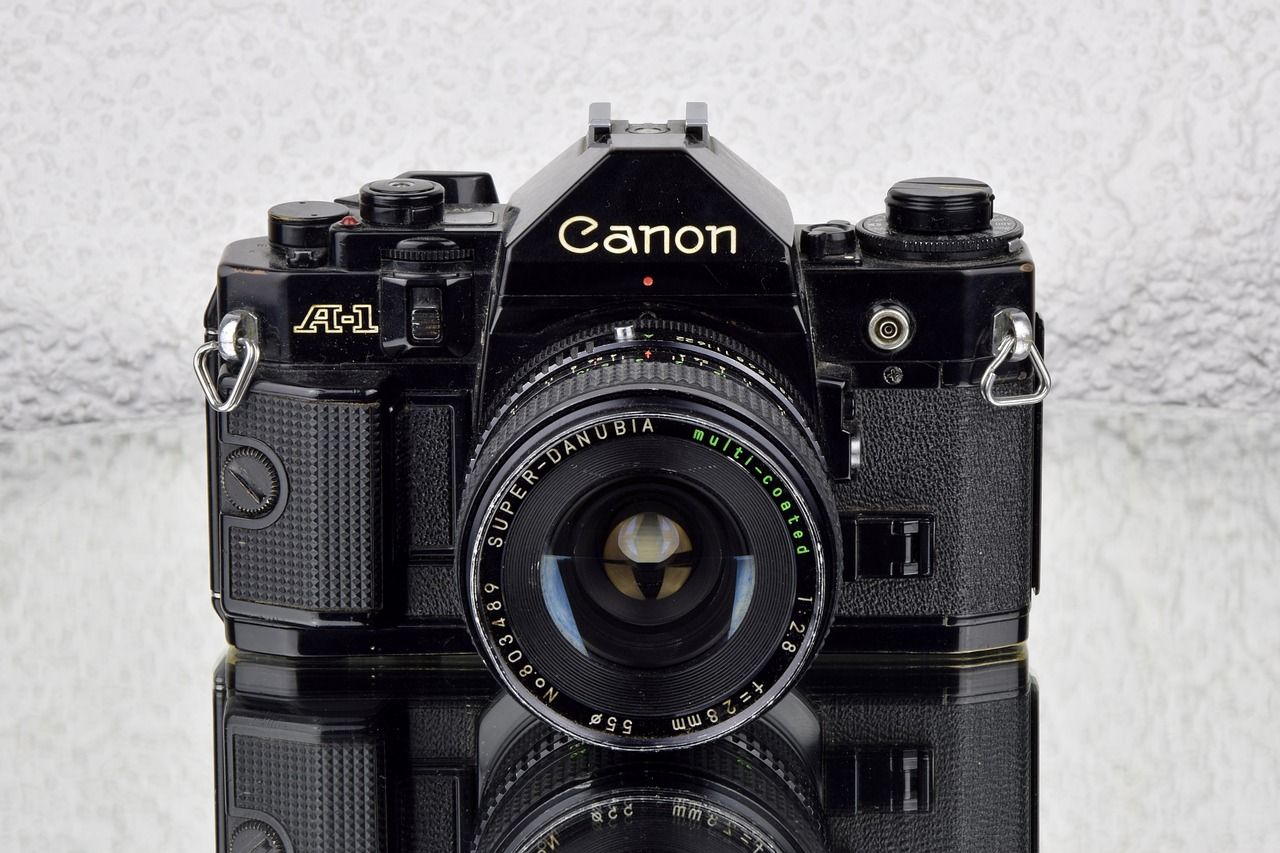
Although many of us know what a reflex camera is, we continue to use the same name for most of the cameras we usually see on the street, and perhaps, they are quite far from that reality. That's why, in light of several questions generated by the article we wrote and referred to some cameras as DSLM, we will explain each term, differences, and similarities.
DSLR Cameras
The DSLR (digital Single Lens reflex) cameras use an electronic sensor to capture images instead of the old 35mm film (roll or reel). The term reflex is used for the reflections produced in the mirrors that the camera has (single lens reflex focusing system). The camera body has a first mirror at a 45º angle, which serves to divert the rays to a translucent screen (also called a focusing screen), allowing the photographer to see and focus. This process gave rise to the term Reflex.
DSLM Cameras
DSLM cameras (Mirrorless Interchangeable Lens Camera), also known as mirrorless cameras, achieve the image that the user will see through an electronic viewfinder that will not show a digital image. Here we can find this type of camera more frequently than we think in our daily lives. Examples include: Panasonic GH4 - GH5, Sony a6300, a7s, among others. Also, there were PEN cameras from well-known brands that had a similar appearance to DSLRs but are smaller, and which are actually DSLM.
DSLR VS DSLM (main differences)
- DSLRs are heavier and larger than DSLMs, thanks to the absence of an internal mirror.
- Focusing: DSLRs use phase detection autofocus, which is faster than the contrast detection of DSLMs (although nowadays electronics are evolving rapidly, and they will likely catch up and surpass DSLRs). An example is sports images that, due to the high speed at which they are taken, require very fast focusing; therefore, only DSLRs are usually seen.
- DSLRs have a much wider variety of lenses than DSLMs, which is something to consider, and perhaps a significant difference. Although today there are adapters that we can buy to solve this, we will indeed spend a considerable amount of money.
- Batteries: With all the technology they use, and because they need to be smaller in size, DSLMs usually fall short compared to DSLRs in this regard.
Objective and conclusion
In this article, we wanted our readers to be able to correctly identify the camera, and also to know why it belongs to one category or another when discussing them. We really don't believe there are significant differences between DSLRs and DSLMs, although there will be those who defend one system or the other; with the advancement of technology, either of the two will provide great results.
To be precise, we could mention the variety of lenses that Canon and Nikon use, which for example are not available from Panasonic or Sony, but the reality is that there are very good (but costly) adapters that will allow us to adapt the lenses. In any case, our advice is to look at the features, and from there choose the model that can best meet immediate needs.