In this article, we will explain in complete detail everything about depth of field; not only will you understand this concept, but you will also learn how to work with it and achieve great results.
Depth of field
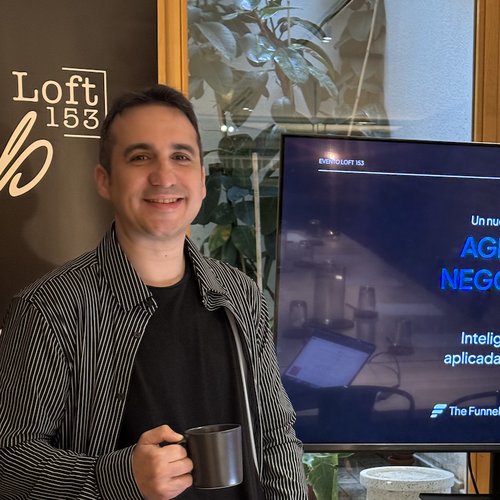
IMAGE A: A lot of depth of field – Aperture: f16
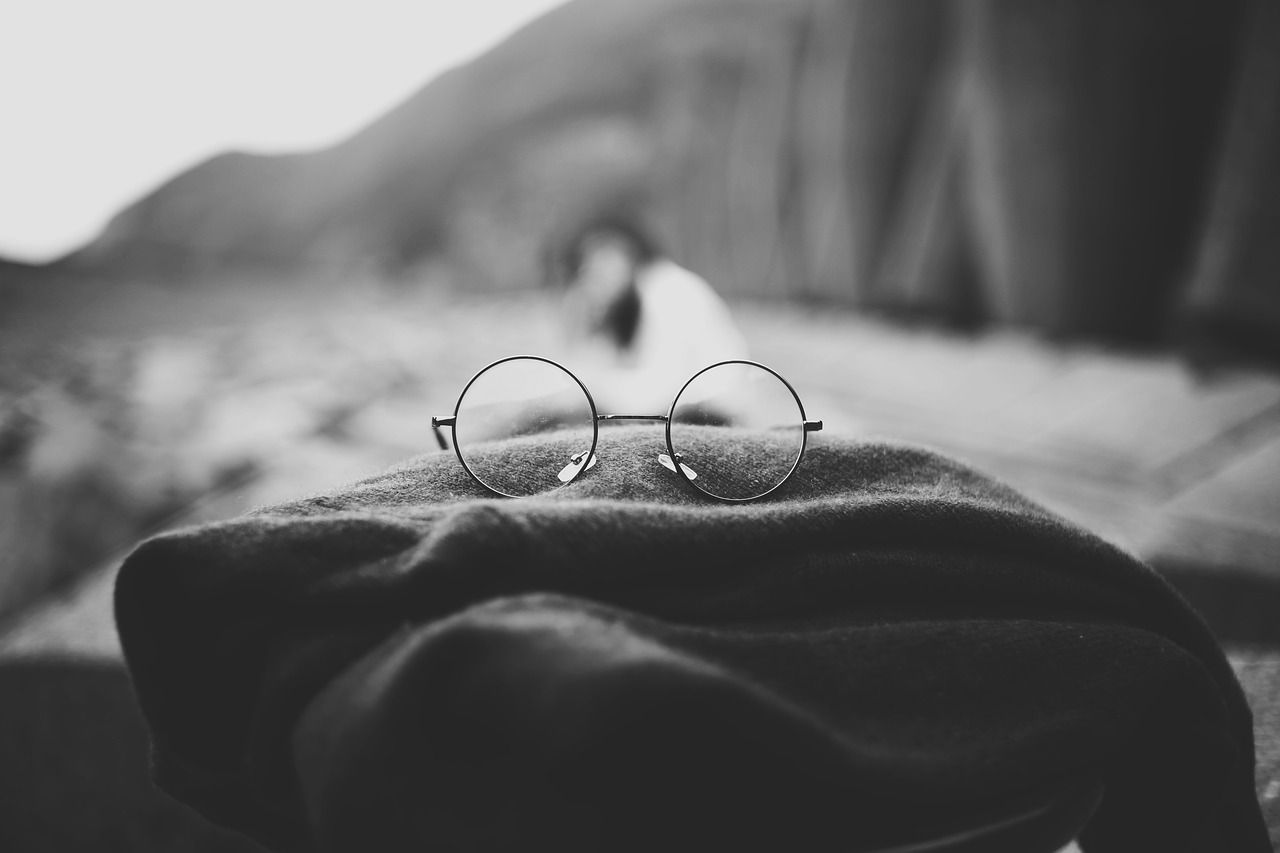
IMAGE B: Little depth of field – Aperture: f1.8
What is depth of field?
It is the amount of longitudinal space that the camera captures clearly. In other words, the area of the plane that is in focus. The best example occurs in the previous images where we see that in "A" everything is sharp, unlike B where only the hands and the coffee cup are in focus. To put it another way, in image A there is more depth of field (less blur), and in image B there is less depth of field (more blur).
Factors that affect depth of field
- Sensor size: the larger the sensor of our camera, the shallower the depth of field will be. This is why full-frame cameras are the most expensive on the market when purchased, and both videographers and photographers seek to have them to achieve greater blur in their photographs.
- Distance between the camera and the object: depending on where we position ourselves, we will achieve more or less depth of field. The closer we are, the less depth of field (it will be harder to focus), and the further away we are, the greater the depth of field (it will be easier to focus).
- Focal length: the longer the focal length, the shallower the depth of field. It refers to telephoto lenses as those that give us the least depth of field, meaning greater blur.
- Aperture (fundamental): the wider it is, the shallower the depth of field will be (less area in focus). The best example is to look at images A and B again; if you notice in the description, in A the aperture is more closed at f16, resulting in greater depth of field (everything in focus), while in B the aperture is f1.8, resulting in shallower depth of field (only the hands with the coffee cup are in focus).
How to achieve greater or lesser depth of field?
Greater depth of field (wider area in focus):
- Short focal length: 15mm – 35mm – etc. (wide-angle).
- Closed apertures: f8 – f11 – f16 – f22. The more closed the apertures, the greater depth of field I will achieve.
- Light level: Bright light.
- Camera-object distance: Far away.
Lesser depth of field (narrower area in focus):
- Longer focal length: Telephoto lenses (85mm – 100mm – 200mm – 500mm).
- Open apertures: f2.8 – f2.0 – f1.8 – f1.4 – f1.2.
- Light level: Diffused light.
- Camera-object distance: The closer I am, the less depth of field I will have.
How to use depth of field?
It is one of the most sought-after aspects by those who take photographs and videos. With DSLRs, it was possible, having a large sensor, to resemble the images recorded to those seen in cinema. Why? Simply because the blur is what differentiates video from film.
How can it help us visually? To give a sense of 3D in the image, we can separate the background (blurred) from the person speaking, or vice versa. It also helps us guide the viewer to look at what we want; in this case, images A and B serve us again. If you notice, in A everything is in focus, giving us a global view of a desk and a person working towards a dream. In case B, the gaze automatically directs toward the hands and the coffee cup because that is what is in focus. Surely if you do the exercise of looking again, you will realize that what was sought are two very different intentions with the same photo.
Here lies the point of depth of field; it will help us lead the viewer where we want, to see what we want them to see and interpret, and it will also help create a three-dimensional sensation, something we know is not actually the case.
Recommendations for working with depth of field
- If we are working with very little depth, try to ensure that the action within the frame does not have much movement, otherwise the image will become too blurred.
- Ensure that any blur we create has a clear purpose, not just because the image looks aesthetically pleasing.
- If using a full-frame sensor, the equivalent to the cinema standard is f4.0. Although there is no fixed rule, we can vary the aperture depending on the shots we take.
- If using an APS-C sensor, the equivalent to the cinema standard is f2.8. Although there is no fixed rule, we can vary the aperture depending on the shots we take.
- Always use manual aperture, and if you are working at events, try to get used to having some as frequent for similar situations.
- Below, I leave you a link with plenty of examples of what can be achieved with depth of field.