AI audiovisual production
AI corporate videos: the new audiovisual production for businesses
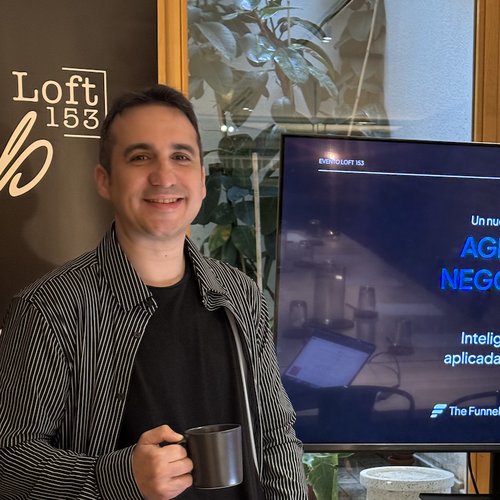
Audiovisual technician · Founder of Brainstorming Films · AI consultant
There are two ways to talk about corporate videos made with artificial intelligence. The first is the one circulating on LinkedIn: now anyone can make videos without equipment, without a shoot, without a budget. The second is the one that holds up when the video confronts a real brand, a real audience and a real business objective.
This article is about the second one. About how a corporate video made with AI actually works when what's at stake is a company's image, not an experiment.
What an AI corporate video is —and is not—
An AI corporate video is an audiovisual production where image and clip generation happens through AI models, within a professional process of direction, scripting and editing.
It is not:
- Asking a model "make a video about my company" and publishing it.
- Replacing creative direction with prompts.
- Generating content in series without narrative craft.
The difference matters. Anyone can generate a clip. Few pieces have narrative, visual coherence and a clear commercial purpose. That difference defines whether a video is content or noise.
What changes and what doesn't change vs traditional production
The right question is not "does AI replace the team?". It's "which parts of the process remain human and which gain speed?".
What stays (and must stay)
Strategy. Concept. Script. Direction. Editing. The decision about what to tell and how to tell it remains with a director and a creative team. AI doesn't decide if a story works; it decides how fast it gets executed.
In our method, the first four steps of the process —strategy, concept, script, storyboard— happen before generating anything. That order is not optional. If a piece is built without strategy, no AI model will give it meaning afterwards.
What changes
The generation of images and clips. The iteration of variants. The adaptation to different formats. What previously required locations, technical crews and schedules now executes within the post-production flow, under direction.
The result is that a company can produce pieces with cinematic quality at timelines and budgets that were previously only viable for large campaigns. The structure changes. The craft, no.
The process, step by step
A well-made AI corporate video follows the same route as a traditional production, with one key difference: model generation replaces the shoot, not the direction.
- Strategy. Before producing, we understand the business. What needs to be communicated, to whom, with what objective, and within what broader marketing and brand plan. Without this phase, everything that follows is decoration.
- Concept. We decide what story has to be told. A company doesn't need more content. It needs the right content: the one that moves the decision it wants to move.
- Script. We structure the narrative. Every scene has intention. Every shot fulfills a function. Rhythm and logic of the piece are decided here.
- Storyboard. We visualize before producing. Framing, art direction, continuity. This ensures coherence and avoids the trap of generating pretty images that don't fit together.
- AI generation. We produce the images and clips needed. We don't chase volume: we chase visual consistency with the aesthetic direction defined in the previous steps.
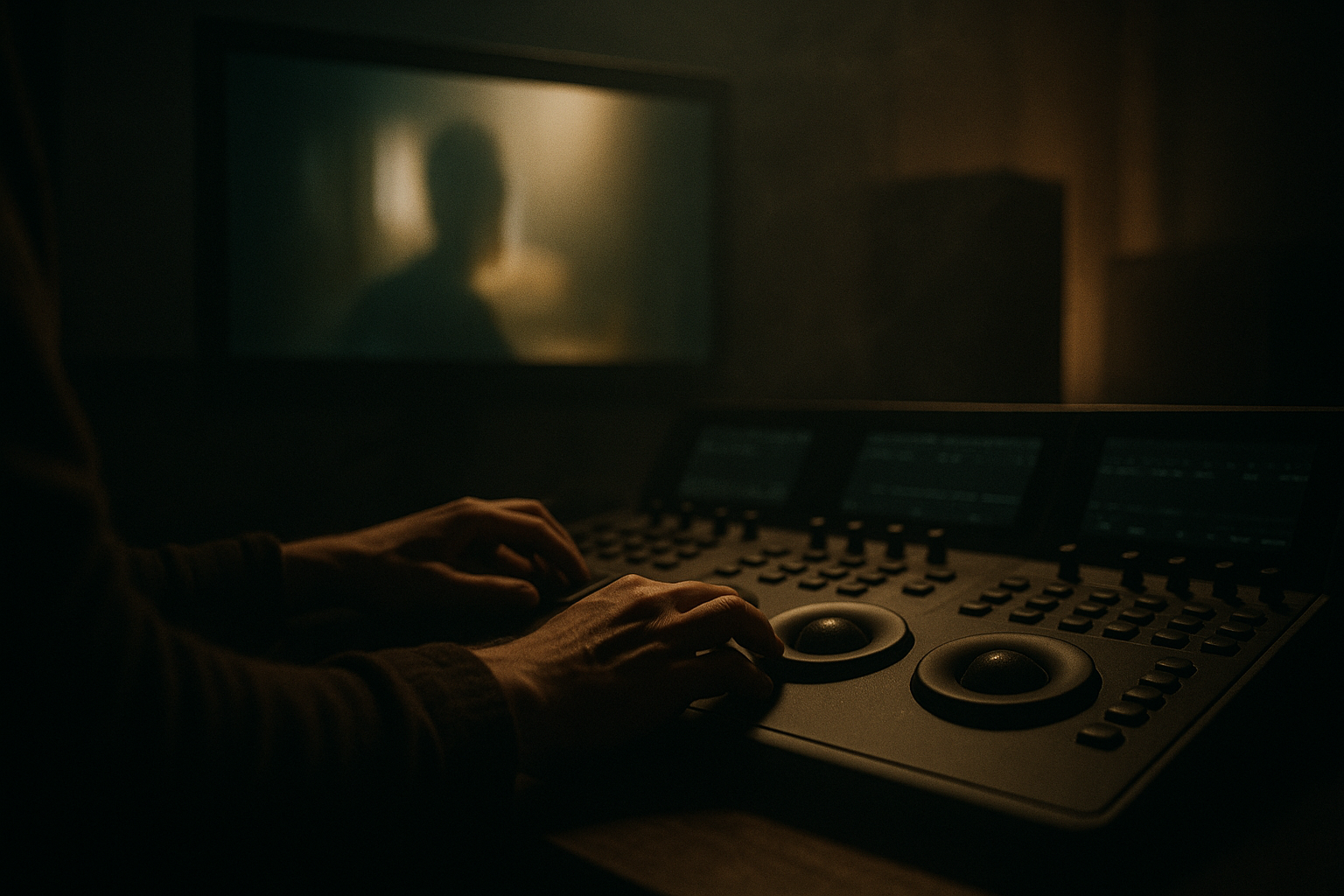
- Professional editing. The edit defines the result. We work in DaVinci Resolve to build rhythm, color, sound and final narrative. It's the stage where a piece moves from being a set of shots to being a story.
- Delivery. We adapt the content to its real use. Web, campaigns, presentations, social. Each piece is delivered with its context in mind, not as a generic cut.
For what kind of company it works
AI corporate videos are not the right answer for every case. They work especially well when the company:
- Has a story to tell that doesn't require showing real physical product in use. If the piece needs to capture your real client using your real product, that still requires camera and shoot. AI doesn't invent authenticity.
- Needs to produce several pieces with aesthetic coherence. A campaign that requires six consistent videos within the same visual universe is exactly where AI shines, because art direction stays fixed and replicates.
- Has a narrative or emotional message that benefits from evocative imagery. A manifesto piece, an editorial piece, a conceptual commercial. Where the image is metaphor, not document.
- Values reducing structure without losing direction. Traditional production companies with a strong creative team can produce the same result with less logistics.
When NOT to use AI
There are cases where insisting on AI is a mistake:
- When you need documentary credibility. Real client testimonials, facility tours, product demonstrations. Authenticity is not generated.
- When the product demands technical fidelity. Industrial machinery, products with specific details, visible engineering. AI can approximate, not replicate with precision.
- When you don't yet have a defined strategy. AI accelerates production, but doesn't substitute it. Without a plan, generating faster only means being wrong sooner.
The most common mistake when hiring
The most frequent mistake is asking for the result without asking for the process. "We need a video to present the company, how much does it cost?" is a question that can't be answered well without the previous ones: for what audience, where it will be used, what decision we want to move, with what reference brand, in what tone.
A production company that responds with a price without going through those questions is not doing audiovisual production. It's selling footage. The difference shows up in the final result, not in the initial proposal.
What to ask, what to avoid
If you're evaluating an AI corporate video, here are things worth asking before signing:
- A strategy brief before talking about aesthetics. If the production company jumps to "we'll do it in this style", be wary.
- A storyboard before generating anything. No storyboard, no direction.
- An identifiable team behind the project. Direction, editing and post-production are not automatic.
- Previous cases where AI is invisible in the result, not protagonist.
- A delivery proposal by final use. Web, campaigns and social are not delivered the same way.
Closing
AI applied to corporate audiovisual production is not a promise of "cheap, fast videos." It's a new way to organize a process that still requires craft, direction and narrative. What changes is the production structure. What doesn't change is the decision about what is told and how it is told.
If your company is thinking about producing audiovisual content with this approach, you can see in detail how we work on our AI Videos — Brainstorming Films Method page, or read how we understand brand narrative when AI enters the equation.
We reduce structure. We don't reduce craft.
About the author
Audiovisual technician · Founder of Brainstorming Films · AI consultant
Directs AI-powered audiovisual production for B2B brands. After years in traditional production, he founded Brainstorming Films as an AI-native studio: human direction and scriptwriting, modern-tool execution.
More about Gonzalo →