
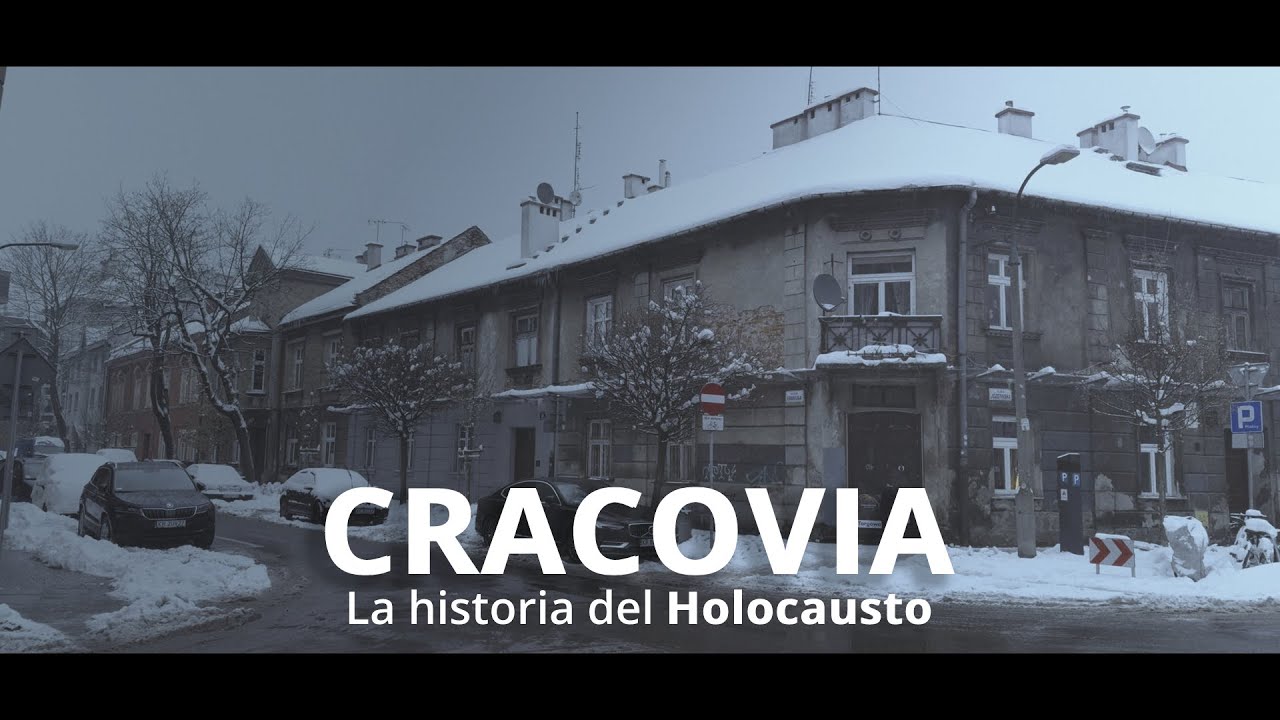
Documentary Video: How difficult the GHETTO of KRAKOW and the Jewish Quarter in Poland is
The Krakow Ghetto and the Jewish Quarter: A Journey Through Time
Introduction
Krakow, a historical gem in the heart of Poland, has witnessed centuries of culture, art, and, unfortunately, also dark episodes. Among these events are the Krakow Ghetto and the Jewish Quarter, two elements that, despite suffering the shadows of the past, have endured as witnesses of resilience and Jewish history in Europe. This article will explore the history and current state of these places, revealing the layers of time that have left their mark on this city.
History of the Krakow Ghetto
The Establishment of the Ghetto
During the Nazi occupation in World War II, Krakow was not immune to the brutality of the regime. In 1941, the Krakow Ghetto was established, a designated area to confine the Jewish population of the city. This ghetto became a symbol of systematic persecution, with its residents facing inhumane conditions and draconian restrictions.
Life in the Ghetto
Life within the Krakow Ghetto was a testament to human suffering under the Nazi yoke. Overcrowding, lack of food, and unsanitary conditions contributed to the spread of diseases. Additionally, deportations to concentration camps, such as Auschwitz, accentuated the horror and despair in this corner of the city.
Resistance in the Face of Adversity
Despite the extremely difficult conditions, the Krakow Ghetto was not lacking in acts of resistance and solidarity. Anonymous heroes fought against Nazi oppression, whether by sharing smuggled food or participating in underground activities. These acts, although small compared to the magnitude of the suffering, represent the tenacious resistance of those who refused to give up.
The Jewish Quarter of Krakow
History Before the War
Before the war, the Jewish Quarter of Krakow, known as Kazimierz, was a vibrant center of European Jewish life. Its narrow streets were filled with synagogues, shops, and a rich cultural tradition. However, the tragedy of the war radically transformed this flourishing community.
Post-War Revival
After the liberation, the Jewish Quarter of Krakow experienced a period of decline. Many Jewish residents did not return, and the community was affected by the disappearance of its historical identity. However, in recent decades, Kazimierz has experienced a remarkable revival, becoming a testament to resilience and determination.
Current State of the Jewish Quarter and the Krakow Ghetto
Kazimierz: A Cultural Revival
Today, Kazimierz is a vibrant neighborhood that has reclaimed its cultural splendor. Its streets are filled with life, featuring art galleries, restaurants, and cultural events that celebrate the rich Jewish heritage of the area. The restoration of synagogues and historic buildings has also contributed to reviving the architectural heritage of the community.
Remembrance in the Ghetto
The site of the former Krakow Ghetto has also undergone significant changes. Although much of the area has been transformed into a residential and commercial zone, some key locations have been preserved as memorials. These sites, such as the Oskar Schindler factory, serve as tangible reminders of the somber history and the resistance in the face of adversity.
Tourism and Historical Responsibility
The Challenge of Remembrance
With the rise of tourism in Krakow, the city faces the challenge of balancing tourist appeal with respectful preservation of history. Authorities and the community are working together to ensure that the memory of the Krakow Ghetto and the Jewish Quarter is preserved in an authentic and educational manner.
Education and Awareness
The importance of education in the preservation of history cannot be underestimated. Ongoing efforts to raise visitors' awareness about the tragedy of the past, as well as the vitality and resilience of the Jewish community, are essential to prevent trivialization and oblivion.
Final Reflections
Krakow, with its Ghetto and Jewish Quarter, is a tangible testimony to the extremes of humanity: from brutality and persecution to resilience and rebirth. These places are not only remnants of the past but also reminders of the importance of remembering and learning from history.
Through conscious preservation, ongoing education, and respectful commemoration, Krakow demonstrates that even in the darkest shadows of the past, the light of memory can emerge. In its narrow streets and restored synagogues, the city becomes a lasting testament to humanity's capacity to rebuild, resist, and remember.