AI audiovisual production
Filmmaker in Barcelona: from traditional shoot to AI direction
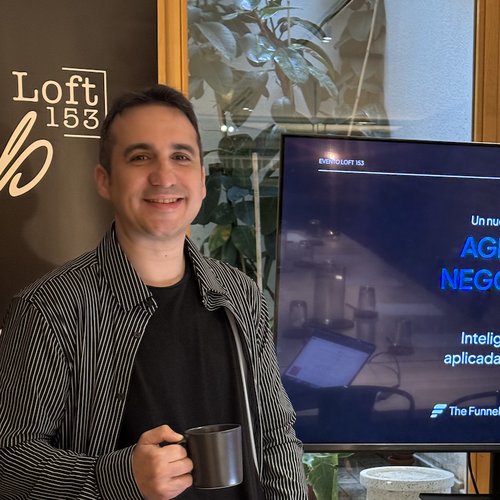
Audiovisual technician · Founder of Brainstorming Films · AI consultant
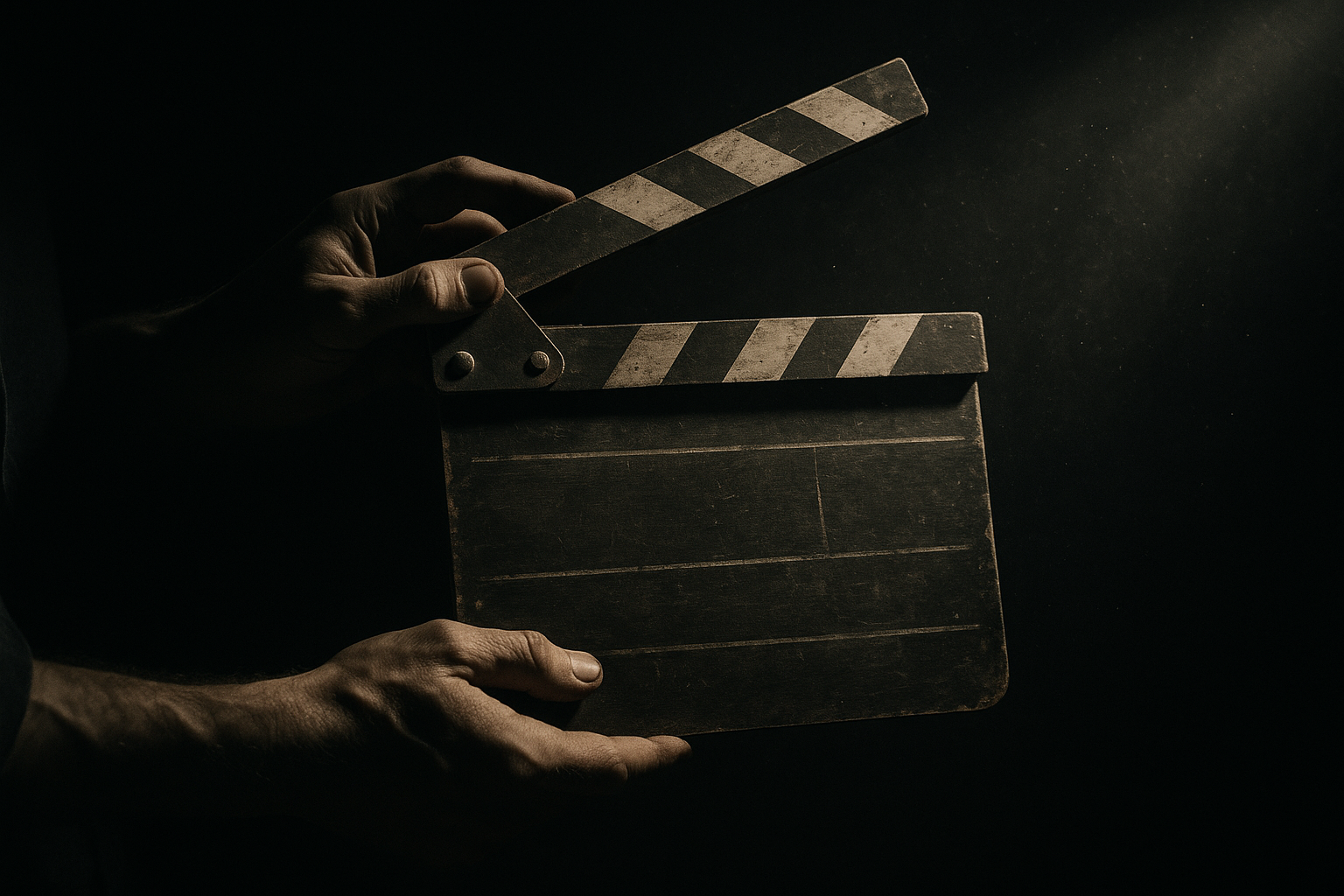
Five years ago, a filmmaker in Barcelona was defined by their ability to put together a shoot: camera, light, sound, direction, editing. The craft was built around a concrete idea —to film something that exists—. Today, part of what a filmmaker directs doesn't get filmed: it gets generated. And yet, the filmmaker is still necessary. Probably more necessary than before.
This article is about how the craft is changing in Catalonia in the era of AI-assisted production. What stays the same, what weighs more, what weighs less, and what kind of filmmaker is worth looking for if your company needs an audiovisual production with craft.
What a filmmaker is —and isn't—
The word is slippery. In common usage, "filmmaker" describes an audiovisual professional who directs their own projects, usually works as freelance or in small teams, and combines disciplines that in large productions are distributed: direction, camera, editing, color, sometimes sound.
What distinguishes a filmmaker from an audiovisual technician is authorship. The filmmaker doesn't execute someone else's plan; they build the plan, defend it and bring it to delivery. That authorship is what AI doesn't touch and, paradoxically, what becomes more important in a market saturated with images.
What changes with AI
The appearance of generative image and video models redefines parts of the flow that were central for decades. Some changes are obvious; others are more subtle.
The shoot stops being mandatory
For a significant part of audiovisual work —corporate videos, conceptual pieces, brand manifestos, audiovisual illustrations— the shoot stops being a mandatory step. What previously required a location, a crew, a day, is now built from the studio.
That doesn't mean the shoot disappears. It means the filmmaker has to know when to film and when to generate. That decision didn't exist before. Now it's central.
Iteration speed multiplies
A visual idea that took weeks to test in traditional production today gets tested in hours. That frees the filmmaker from the "one chance" economy. It allows exploring, discarding, refining. And it allows offering the client genuinely different versions, not cosmetic variants.
The consequence is that the filmmaker spends more time in pure creative direction —deciding which hypothesis is worth testing— and less time in logistics.
Art direction becomes more demanding
In a shoot, art direction is partly sustained by reality: natural light, real places, real actors. When generating with AI, there's no reality sustaining anything. Each shot needs to be directed from scratch. That raises the demand bar for the filmmaker: they need a much more explicit world view, translatable to references and prompts.
This is probably the skill that has appreciated the most in the last year.
What doesn't change (and why it matters)
Four capabilities AI doesn't touch, and they separate a filmmaker with weight from one without. All four remain slow learnings: they don't get bought, delegated or generated.
Knowing what story deserves to be told
The hardest question in the craft is still the first: what's here to tell? A company, a client, a brief don't automatically produce a story. It has to be found, articulated, sustained. That function is completely human and, until there's a model that understands the commercial and emotional context of a brand, it will keep being.
Knowing what to leave out
A filmmaker with craft is recognized by what doesn't appear in their piece. The shots they discard, the texts they cut, the options they don't propose. The overabundance AI offers makes this capacity more valuable than ever: in a sea of possible generations, someone has to decide what stays and what goes.
Building rhythm
Rhythm —the decision of when to cut, how long to hold a shot, when to let sound breathe— is a filmmaker's signature. It's built in editing and doesn't get delegated. A piece generated with AI and assembled without craft is recognized immediately: time decisions are flat, without accents. A piece with the same raw material but edited by a filmmaker with craft becomes something else.
Sustaining conversation with the client
The least visible and most decisive part of the craft. Knowing when to say no, when to defend a decision, when to propose an alternative, when to escalate a concern. The quality of that conversation defines the result as much as any technical decision. AI doesn't have this conversation; a person who understands the business and the brand does.
What kind of filmmaker to look for in 2026
If a company is looking for a filmmaker for an AI audiovisual production in Barcelona —or anywhere—, there's a profile that in the current context becomes especially valuable:
Someone with classical direction craft before prompting craft. Filmmakers who came from shoots and learned AI afterwards usually have more craft than those who started generating. The reason is simple: shoots force hard decisions under constraint. That discipline transfers well to generation.
Someone who can articulate a point of view. It's not about having a unique style, but about knowing how to defend why each decision is where it is. In a first meeting, this gets noticed quickly.
Someone who separates aesthetics from narrative. A filmmaker who starts by proposing "the piece's style" before understanding what needs to be told is prioritizing the easiest. Filmmakers with weight prioritize the narrative question.
Someone with their own post-production flow. In AI productions, post-production is the phase where a piece is made or breaks. Look for filmmakers who master final editing (DaVinci Resolve, Premiere or equivalent) and don't blindly delegate it.
Freelance filmmaker vs production company: when each
A common decision for companies that need corporate video: do I hire a freelance filmmaker or a production company? The answer depends on three variables.
Project complexity. A single piece with contained budget can be resolved with a well-chosen freelance filmmaker. A project that requires several pieces, several formats, art direction sustained over time, usually benefits from a structured production company.
Expected continuity. If the relationship will be punctual, a freelancer can be efficient. If there will be recurring productions, a production company brings consistency a freelancer, however good, can't sustain alone.
Risk tolerance. A freelancer is one person. If they get sick, travel or get overwhelmed, the project suffers. A production company distributes risk. For companies with firm commercial deadlines, that matters.
There's no universal right answer. The right question is what does your project need in particular, not what's trendy to hire.
Closing
The filmmaker craft in Barcelona —and in any mature audiovisual market— is going through its fastest transformation in decades. Artificial intelligence doesn't eliminate the figure; it redefines which parts of their work weigh more. Decisions, narrative, art direction and editing remain human, and probably more decisive than before.
For a company that needs to produce video with craft, the challenge isn't choosing between "filmmaker" and "technology": it's finding someone who combines both with real weight in each.
If you want to see how we apply this approach, you can review the Brainstorming Films Method, meet the director and founder, or read how the landscape of audiovisual production in Barcelona is changing.
We reduce structure. We don't reduce craft.
About the author
Audiovisual technician · Founder of Brainstorming Films · AI consultant
Directs AI-powered audiovisual production for B2B brands. After years in traditional production, he founded Brainstorming Films as an AI-native studio: human direction and scriptwriting, modern-tool execution.
More about Gonzalo →