AI audiovisual production
Creative corporate videos: 5 formulas that work in 2026
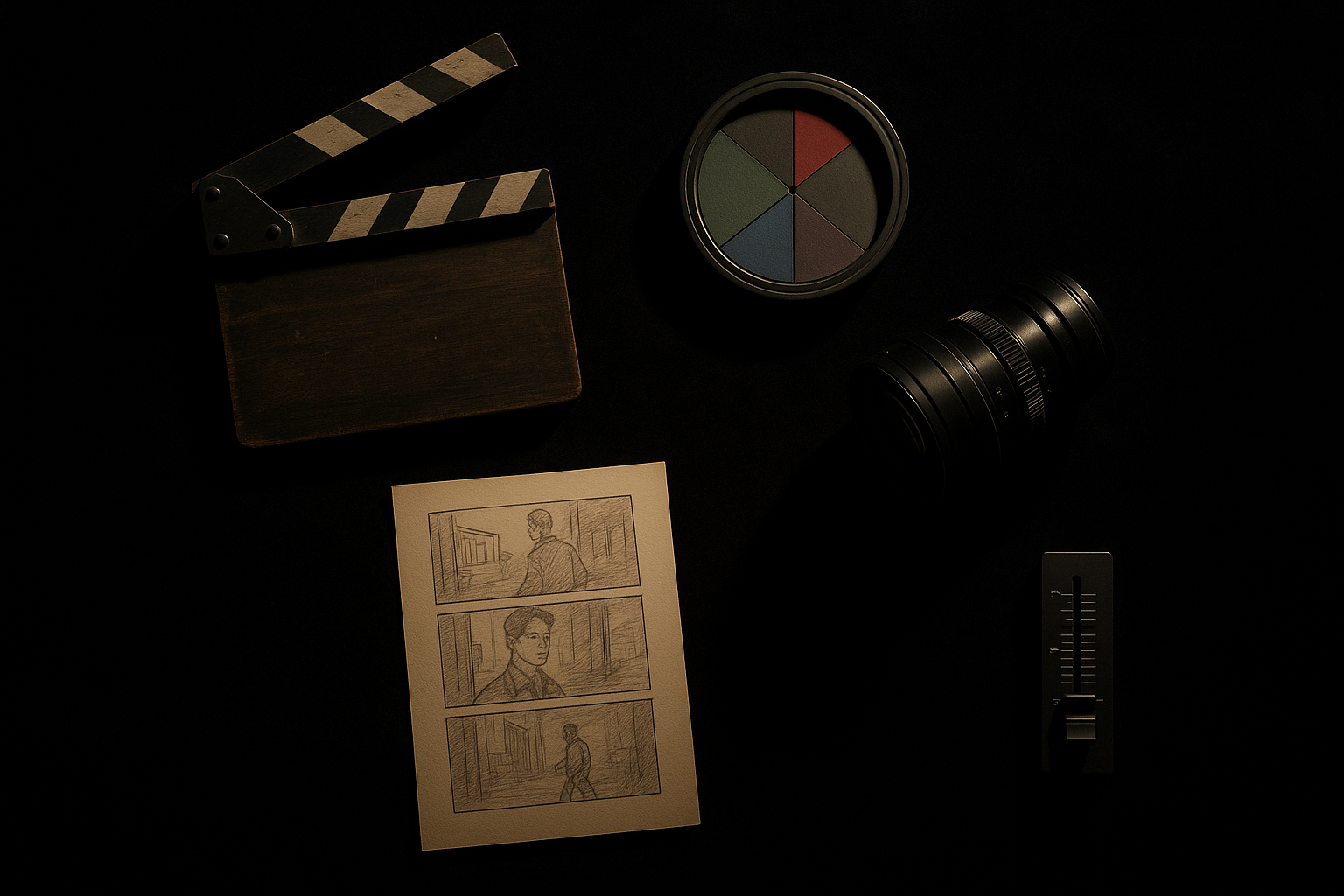
"Corporate video" is still, for many companies, synonymous with boring institutional piece: the CEO seated in a well-lit room, office shots, emotional music, a couple of logos at the end. That formula still exists. It's also still the least effective.
What makes a corporate video work today —get watched, get remembered, move a decision— is choosing the creative format well. There isn't a single "creative corporate video": there are five different formulas, each with its use, its conditions and its typical mistakes. This article is a map of the five.
1. The visual manifesto
What it is. A short piece —60 to 120 seconds— that articulates who the company is, what it believes and why it matters. It doesn't sell a product: it declares a position. The voice tends to be authorial, almost editorial. Images illustrate the idea without documenting operations.
When it works. On the home page, at the start of a strategic sales presentation, in the brand's public discourse during moments of change. A piece watched few times but that weighs a lot every time it gets watched.
What the format avoids. Generic descriptions. A company isn't "a leader", "committed to excellence" nor "passionate about innovation". The manifesto forces saying something concrete, defendable and differentiable.
Why it fits well with AI. The manifesto lives in symbolic territory —visual metaphors, evocative landscapes, strong art direction—. It's exactly the terrain where AI generation, well directed, surpasses traditional shoots in flexibility and cost.
The typical mistake. Confusing manifesto with slogan. A manifesto has argument; a slogan has phrase. If the piece reduces to three big words with emotional music, it's not manifesto: it's decoration.
2. The conceptual journey
What it is. A longer piece —two to five minutes— that develops a sustained metaphor. The company, its service or its transformation gets presented through a coherent visual analogy: a path, a construction, a temporality, an inner journey. The concept sustains the piece from start to finish.
When it works. For brand pieces with editorial weight, for positioning campaigns, to introduce an important change (new identity, merger, market entry). Also works in industries where the product is abstract and needs a mental image the viewer can remember.
What it avoids. Literal explanation. The conceptual journey doesn't translate: it suggests. If after watching it the viewer has a new mental image associated with the brand, it worked.
Why it fits well with AI. Metaphors usually require impossible-to-shoot images: unreal landscapes, physical transformations, conceptual worlds. AI makes this format viable for budgets that previously discarded it.
The typical mistake. Losing the thread. When the metaphor doesn't sustain —when it starts being a path, becomes a construction, and ends being an inner journey—, the viewer disconnects. A metaphor, well directed, holds up for three minutes.
A concrete application of this formula: an editorial project where the narrative revolved around a retired person who needed to give form to their story. The journey was built from routine and silence —photographs, memories, daily writing—, with a warm aesthetic sustained in every shot. AI generated the environments respecting that direction; editing built the emotional rhythm. The piece works not because it looks pretty: it works because the metaphor sustains from beginning to end.
3. The editorial testimonial
What it is. A real client case told with cinematic treatment. It's not a flat interview against a white background: it's a piece with narrative, art direction, edit rhythm and, sometimes, intervention from the director weaving the story together. The client tells their story; the creative team gives it the form of a piece.
When it works. In long sales processes where the decision is high-risk and shared. In B2B companies where trust weighs more than discount. In services where the result is hard to explain without a concrete case.
What it avoids. The promotional testimony. A client saying "very good service" doesn't convince anyone. A client explaining what problem they had, what changed and what they learned in the process, does.
Why it's not the most natural formula for AI. This format requires a shoot. A real client's authenticity isn't generated. What AI can assist with is the art direction of complementary resources: animations, illustrations, conceptual recreations. The piece is hybrid, not fully generated.
The typical mistake. Not editing the testimony. A real client speaks with detours, contradictions, unfinished sentences. The edit must respect the truth without renouncing rhythm. An hour of raw interview isn't an editorial case: it's material.
4. The extreme direction piece
What it is. A piece where aesthetic direction is the protagonist. A unique visual world, a radical chromatic decision, a formal proposal sustained from start to finish without compromise. The brand isn't named until the end; the viewer arrives there guided by the strength of the visual language.
When it works. In launches where the brand wants to assert authorship. In cultural or positioning campaigns. In companies competing in markets where rational differentiation is exhausted and aesthetic differentiation is the last available territory.
What it avoids. The borrowed aesthetic. An extreme direction piece doesn't copy a style: it builds one. If the viewer can immediately identify which reference it is, the format loses its reason for being.
Why it fits exceptionally well with AI. Building a completely new visual world is exactly what generative models do best when there's direction behind. A rigorous bible of references, versioned prompts and sustained art direction produce pieces that were previously only viable with cinema budgets.
The typical mistake. Inconsistency. The piece starts with one world and ends with another. The reason is almost always the same: art direction wasn't fixed before generating. Without that step, any attempt at "unique style" falls apart shot by shot.
5. The chained narrative
What it is. A series of short pieces —three, five, seven— that build a common narrative universe. Each piece works on its own, but together they add up to a bigger story. They share art direction, voice and code, but address different angles.
When it works. For positioning campaigns sustained over time. To feed a landing, a corporate channel or an email marketing sequence with coherence. To build presence instead of a single attention peak.
What it avoids. Flat repetition. A series isn't the same piece cosmetically varied. It's a set of pieces with common voice that open different angles. If the five are interchangeable, the series doesn't exist: there are variants of a single piece.
Why it fits well with AI. Artificial intelligence reduces the marginal cost of each additional piece within the same visual universe. Once art direction is fixed, producing five coherent pieces is only modestly more expensive than producing one.
The typical mistake. Producing all five in a block without reserving adjustment capacity. A good series learns from the first pieces to refine the last. If all five get generated in the same sprint, the opportunity for strategic iteration gets lost.
Which formula to choose by objective
The five formulas aren't interchangeable. Each solves a different problem:
- You want to position the brand boldly and memorably → visual manifesto or extreme direction piece.
- You want to explain an abstract proposition or an important change → conceptual journey.
- You want to lower perceived risk in a complex commercial decision → editorial testimonial.
- You want to build sustained presence and authority on a channel → chained narrative.
A mature audiovisual program usually combines several formulas over a year, not bet everything on one. But each individual piece should clearly respond to one only: pretending a piece is all at once is the best way for it to be none.
What changes with AI in each formula
The appearance of AI-assisted production doesn't transform the five formulas equally:
- The visual manifesto and the extreme direction piece are the two that gain most. What was previously unviable by budget is now producible. The barrier stops being financial and becomes one of craft.
- The conceptual journey also gains a lot: visual metaphors that require impossible worlds stop being a technical problem.
- The chained narrative lowers its marginal cost: producing five pieces instead of one becomes viable for companies that could previously only produce one.
- The editorial testimonial is the least affected by AI, because it still requires a real client shoot. AI can add value in complementary resources, not in the heart of the piece.
Closing
A creative corporate video isn't built by choosing a tool. It's built by choosing a formula that serves a concrete objective, and executing it with narrative craft and clear art direction. The five formulas above aren't recipes: they're territories. What defines the result is what's decided to leave out of each.
If you're interested in going deeper into how we work each of these formulas, you can review the Brainstorming Films Method applied to AI Videos, or read how we differentiate corporate video from social media content.
We reduce structure. We don't reduce craft.